
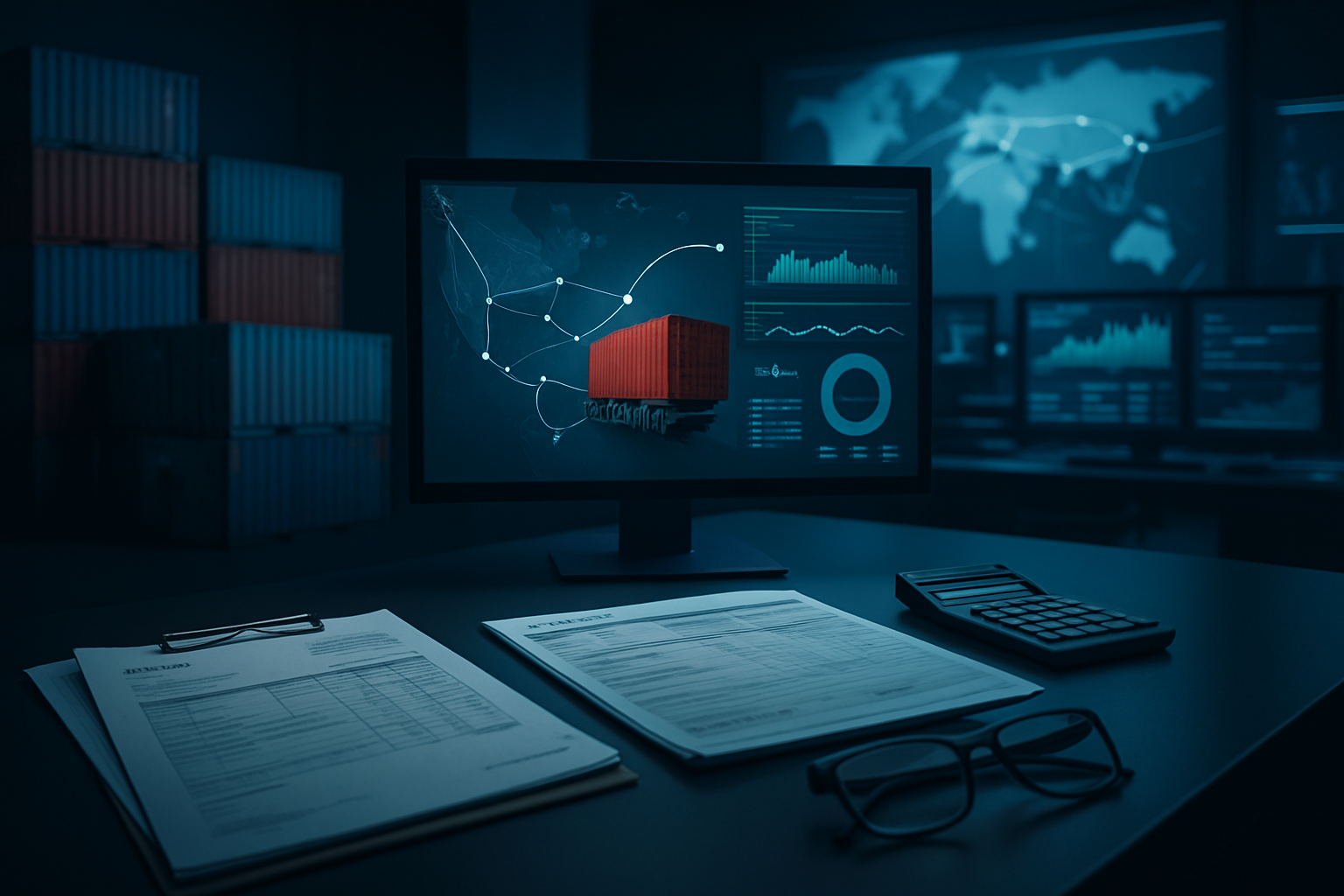
Understanding the Challenge of Detention and Demurrage
Detention and demurrage charges are common in the logistics industry, often resulting from delays in returning containers or extended use of terminal facilities. Traditionally viewed as a cost of doing business, these charges can significantly impact a company's bottom line.
Reframing the Problem
Instead of accepting detention and demurrage as inevitable, companies can reframe these charges as a data problem. By analyzing and connecting key timestamps such as appointments, gate entries, and PODs, businesses can gain valuable insights into their supply chain operations.
The Role of Data in Mitigating Costs
Data plays a crucial role in identifying patterns and bottlenecks that lead to detention and demurrage. By leveraging transportation intelligence, companies can proactively manage their logistics processes, reducing the likelihood of incurring these charges.
- Appointment Scheduling: Optimizing appointment times can help ensure that containers are picked up and returned promptly, minimizing detention fees.
- Gate Timestamp Analysis: Analyzing gate entry and exit times can provide insights into terminal efficiency and identify potential delays.
- POD Tracking: Accurate POD tracking ensures that deliveries are completed within the agreed timeframe, reducing demurrage risks.
Winning Disputes with Data
When disputes arise, having a comprehensive data trail can be invaluable. By maintaining accurate records of all relevant timestamps, companies can effectively challenge unwarranted charges and resolve disputes within the allowable window.